Create
There is a particular satisfaction in making something with your own hands—whether that means transforming a dim hallway with the perfect paint shade, selecting ceramics that tell a story, pulling a flaky croissant from your oven, or watching kitchen scraps become rich, dark soil. These acts of creation connect us to materials, processes, and outcomes in ways that passive consumption never can.
The category you are exploring brings together four distinct yet surprisingly connected disciplines: interior color science, the appreciation and care of ceramics, the precise world of pastry making, and the living system of composting. Each requires understanding fundamental principles, respecting the chemistry involved, and developing an intuition that only comes through practice. This resource introduces the core concepts behind each discipline, preparing you to dive deeper into the specific techniques and solutions covered in our detailed articles.
Think of this as your orientation session before entering four different workshops. You will learn why these crafts matter, what challenges beginners typically face, and which principles separate frustrating attempts from genuinely satisfying results.
Why Does Color Behave So Differently in Every Room?
If you have ever painted a wall only to find it looks completely different from the store sample, you have encountered one of the most frustrating puzzles in interior design. The same paint can appear warm and inviting in one room while looking cold, dull, or even purple in another. Understanding why this happens transforms color selection from guesswork into a predictable science.
The Hidden Power of Undertones
Every paint color contains undertones—subtle hints of other colors mixed into the base. A grey might contain blue, green, or purple undertones invisible under showroom lights but glaringly obvious when natural light hits your north-facing living room. Learning to identify these undertones before purchasing prevents expensive repainting mistakes.
The direction your windows face determines the quality of light entering a space. North-facing rooms receive cool, indirect light that amplifies blue and grey undertones. South-facing rooms bathe in warm, golden light that can make the same color appear entirely different. This is not subjective opinion—it is physics.
Building a Whole-House Palette That Actually Works
Creating visual flow between rooms requires more than picking colors you like individually. A cohesive palette considers:
- Consistent undertone families across spaces
- Transition zones where rooms meet
- How flooring, furniture, and fixed elements interact with wall colors
- The saturation levels appropriate for each room’s size and function
Small rooms present particular challenges. High saturation—those intense, vivid colors—can create a claustrophobic feeling, while properly calibrated neutrals make the same space feel surprisingly expansive. The relationship between saturation and perceived room size is a tool every homeowner should understand.
What Separates Quality Ceramics From Mass-Produced Imitations?
Ceramics occupy a unique position in our homes. They serve practical daily functions while simultaneously existing as objects of beauty, craft tradition, and sometimes significant investment. Developing an eye for quality protects both your wallet and your health.
Recognizing Authentic Studio Pottery
Mass-produced ceramics often mimic the aesthetic of handmade pieces, but several indicators reveal true craftsmanship. Examine the bottom of any piece: authentic studio pottery typically shows evidence of hand-finishing, slight asymmetries, and individual maker’s marks. The weight, the sound when tapped, and the texture of glazes all tell stories about how a piece was created.
Wood-fired ceramics command significantly higher prices than electric-fired equivalents—often three times more. This premium reflects not pretension but reality: wood firing requires days of continuous labor, consumes enormous resources, and produces unpredictable results where nature collaborates with the potter. Understanding firing methods helps you evaluate whether a piece’s price reflects genuine value.
Material Choices for Different Purposes
The stoneware versus porcelain debate matters enormously for dinnerware. Each material offers distinct advantages:
- Stoneware provides durability, heat retention, and a rustic aesthetic suitable for everyday use
- Porcelain offers elegance, chip resistance when properly formulated, and lighter weight
Neither is universally superior—the right choice depends on your lifestyle, aesthetic preferences, and practical needs.
Safety Considerations With Vintage Pieces
Older ceramics, particularly those made before modern regulations, may contain leachable lead in their glazes. This is not theoretical risk—lead poisoning from antique dinnerware remains a documented health concern. Testing kits exist, and knowing how to use them protects families who love collecting vintage pieces.
How Does Temperature Control Everything in Pastry?
Professional pastry chefs obsess over temperature because they understand something home bakers often miss: in pastry, temperature is not a suggestion—it is the recipe. The difference between flaky and greasy, between glossy and dull, between success and failure often comes down to a few degrees.
The Butter Temperature Principle
Butter behaves completely differently at various temperatures. Cold butter creates steam pockets that produce flaky layers. Room-temperature butter incorporates air for tender cakes. Melted butter yields dense, chewy textures. Using butter at the wrong temperature guarantees disappointing results regardless of how carefully you follow other instructions.
This principle extends to dough resting. The instruction to chill dough for extended periods—sometimes twenty-four hours—is not about convenience scheduling. Cold rest allows gluten to relax, flavors to develop, and fats to solidify properly. Skipping this step produces inferior results every time.
Tempering Chocolate: The Home Kitchen Challenge
Properly tempered chocolate snaps cleanly, shines beautifully, and melts smoothly on the tongue. Improperly tempered chocolate develops grey streaks (bloom), feels waxy, and refuses to release from molds. Achieving temper at home requires understanding cocoa butter crystal structures—but do not let that phrase intimidate you. The techniques are learnable.
Equipment Choices and Common Mistakes
Silicone versus metal molds affects more than convenience. Metal conducts heat rapidly, producing crispier edges and better shine on certain preparations. Silicone insulates, extending setting times but offering easier release. Neither choice is wrong, but each suits different applications.
Perhaps the most common pastry mistake involves ingredient substitution. Margarine cannot replace butter in most pastry applications despite similar appearance. The water content, fat structure, and melting behavior differ fundamentally, and recipes designed for butter will fail with margarine substitutes.
Can Anyone Build a Successful Compost System?
Composting represents creation at its most fundamental: transforming what we discard into something that generates new life. The process seems simple—pile organic matter and wait—yet failed compost attempts fill countless backyards and abandoned bins. Understanding the biology involved makes success predictable.
Methods Matched to Living Situations
No single composting method suits everyone. Your choice should reflect available space, time commitment, and desired outcomes:
- Traditional piles require outdoor space and patience but handle large volumes with minimal equipment
- Tumblers accelerate decomposition through aeration and suit smaller yards
- Bokashi systems ferment waste indoors, handling materials other methods cannot
- Vermicomposting uses worms to process kitchen scraps in compact spaces, even under sinks
Apartment dwellers successfully compost using worm bins or bokashi buckets. The absence of a backyard does not prevent participation in this cycle.
Troubleshooting the Most Common Problems
A slimy, ammonia-smelling pile signals too much nitrogen-rich material and insufficient carbon. This imbalance kills beneficial organisms and produces genuinely unpleasant odors. The fix involves adding brown materials—dried leaves, cardboard, straw—to restore balance.
Winter composting slows dramatically as microbial activity decreases in cold temperatures. Insulation techniques, strategic pile placement, and adjusted expectations help maintain progress through cold months.
What Never Belongs in an Open Pile
Meat, dairy, and oily foods attract pests and create odor problems in traditional aerobic systems. These materials require enclosed methods like bokashi or industrial facilities. Understanding what your specific system can handle prevents the failures that discourage beginners.
Whether you are choosing paint that respects your room’s light, evaluating ceramics worth keeping, mastering the temperature demands of pastry, or building soil from scraps, the underlying principle remains consistent: understanding the science behind the craft transforms frustrating attempts into reliable success. Each article in this collection addresses specific challenges within these disciplines, providing the detailed guidance that these introductory concepts prepare you to absorb and apply.
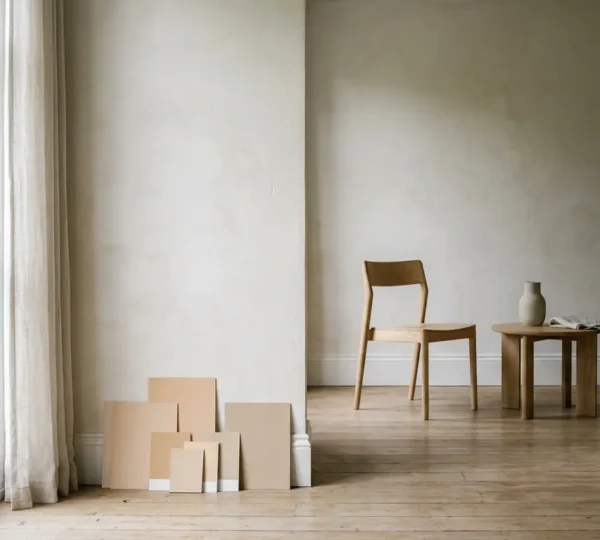
Which Paint Undertones Make a North-Facing Room Feel Warmer?
Warming a north-facing room isn’t about choosing a generically ‘warm’ color; it’s about selecting a neutral with the correct pigment chemistry to optically counteract the cool, blue-toned quality of the light. The phenomenon of “metamerism” explains why a neutral paint…
Read more