Explore
Travel transforms us in ways few other experiences can match. Whether you’re drawn to the thin air of alpine peaks, the rhythmic calm of coastal waves, or the curated comfort of a resort, each journey offers distinct rewards—and distinct challenges. Understanding what lies ahead separates memorable adventures from frustrating ordeals.
This resource brings together the essential knowledge every traveler needs before embarking on their next escape. From the physiological realities of high-altitude trekking to the surprising science behind why ocean proximity boosts creativity, you’ll find practical insights grounded in real experience. We’ll also decode the economics of resort travel and reveal what makes romantic getaways genuinely meaningful rather than performative.
Consider this your starting point. Each section introduces fundamental concepts while pointing toward deeper explorations of specific topics. Whether you’re planning a challenging mountain expedition or simply seeking the perfect sunset spot with your partner, the principles here will sharpen your decisions and enhance your experiences.
Why Does Adventure Travel Demand More Than Physical Fitness?
The most common misconception about challenging travel is that physical conditioning alone determines success. In reality, mental preparation often proves equally decisive. Multi-day expeditions in remote terrain test psychological resilience as much as cardiovascular capacity.
Consider the phenomenon of tech withdrawal. Spending extended periods disconnected from smartphones and constant connectivity triggers genuine anxiety in many travelers. Understanding this response before departure allows you to develop coping strategies rather than being blindsided mid-journey.
The Hidden Dangers of Ego on Expedition
Group dynamics introduce another layer of complexity. The ego trap—hiding symptoms of illness or fatigue to avoid appearing weak—endangers not just the individual but the entire team. Rescue operations become exponentially more dangerous and expensive when conditions worsen unnecessarily.
Experienced expedition leaders watch for these warning signs:
- Unusual quietness from normally talkative participants
- Declining food or water intake without explanation
- Falling behind the group pace consistently
- Dismissive responses when asked about wellbeing
Creating a team culture where vulnerability signals strength rather than weakness prevents minor issues from escalating into emergencies.
What Makes High-Altitude Environments Uniquely Challenging?
Above 3,000 meters, human physiology begins operating outside its comfort zone. The reduced oxygen pressure triggers a cascade of adaptations—some helpful, others potentially dangerous. Understanding these mechanisms isn’t academic; it’s survival knowledge.
The Climb High, Sleep Low Principle
Acclimatization follows counterintuitive rules. The widely-taught protocol of climbing to higher elevations during the day then descending to sleep helps your body adjust gradually. Ignoring this principle dramatically increases risk of pulmonary and cerebral edema—fluid accumulation in lungs and brain that can prove fatal.
Why Your Thirst Mechanism Fails at Altitude
Perhaps most treacherous is the suppression of thirst sensation at elevation. Despite increased fluid loss through rapid breathing in dry mountain air, your body stops signaling the need to drink. Disciplined hydration by schedule rather than sensation becomes non-negotiable.
Additional altitude considerations include:
- UV radiation intensity increases approximately 10% per 1,000 meters gained
- Appetite suppression often leads to inadequate caloric intake
- Sleep quality deteriorates even in comfortable conditions
- Cognitive function declines, affecting decision-making
The Turnaround Time Rule
Summit fever—the overwhelming desire to reach a goal regardless of conditions—kills experienced mountaineers every year. The turnaround time concept establishes a non-negotiable deadline for turning back, regardless of proximity to the objective. Weather deterioration, darkness, and exhaustion don’t negotiate.
How Does Proximity to Water Enhance Mental and Physical Wellbeing?
The appeal of coastal destinations extends far beyond aesthetics. Emerging research reveals measurable physiological changes when humans spend time near water. The sound of waves, for instance, reduces cortisol levels more effectively than silence—a finding with implications for stress recovery and mental health.
The Creativity and Sleep Connection
Water proximity appears to enhance creative thinking and sleep quality through multiple mechanisms. The negative ions generated by moving water, the visual complexity of shorelines, and the natural soundscape all contribute to what researchers describe as a mild meditative state.
These benefits explain the premium placed on waterfront accommodations, but they also suggest that even brief exposure to coastal environments delivers measurable returns on time invested.
Understanding UV Exhaustion
The tiredness many people feel after beach days isn’t purely psychological. UV radiation triggers genuine fatigue through skin damage response, body temperature regulation efforts, and vitamin D synthesis. This exhaustion factor should inform activity planning—scheduling demanding tasks for morning hours and embracing afternoon rest.
What Separates Memorable Romantic Travel From Clichéd Getaways?
Couples travel often defaults to predictable patterns: candlelit dinners, sunset walks, champagne on arrival. While pleasant, these scripted experiences rarely create the deep connection partners seek. The neuroscience of bonding points toward different priorities.
Why Shared New Experiences Matter
Oxytocin release—the neurochemical foundation of bonding—spikes during novel shared experiences. Trying something unfamiliar together, even mildly challenging activities, strengthens relationships more effectively than repeating comfortable routines in prettier settings.
Practical applications for couples include:
- Choosing one activity neither partner has attempted before
- Navigating unfamiliar territory together using maps rather than GPS
- Preparing a meal with local ingredients and techniques
- Learning basic phrases in a new language as a team
Balancing Activity and Intimacy
The most common planning mistake involves overscheduling. Three-day romantic trips require breathing room—unstructured hours where connection happens organically. Building in transition time between activities allows partners to process experiences together rather than rushing to the next attraction.
Avoiding the Instagram Trap
Social media has transformed certain locations into performance stages rather than genuine destinations. Spots overrun by influencers often deliver diminished experiences—crowded viewpoints, pressure to photograph rather than observe, and an atmosphere of competitive display. Seeking less documented alternatives frequently yields richer memories.
How Can Travelers Extract Maximum Value From Resort Stays?
All-inclusive resorts present a paradox: apparent simplicity masking genuine complexity. Understanding the business model reveals both opportunities and pitfalls for the informed guest.
The True Economics of All-Inclusive Pricing
Resorts profit through strategic design. Alcohol and buffet fillers—bread, pasta, rice—cost pennies while creating sensations of abundance. Premium experiences generate additional revenue beyond the base rate. Recognizing this dynamic helps guests make informed choices rather than feeling manipulated.
Hidden fees represent another consideration. Mandatory service charges, resort fees, and activity upcharges can inflate final costs significantly beyond advertised rates. Requesting complete pricing before booking protects against unpleasant surprises.
Navigating Tipping Culture and Service Upgrades
Tipping practices vary dramatically by region and establishment. Understanding local expectations—who to tip, appropriate amounts, and timing—influences service quality throughout your stay. Early, appropriate tips to key staff often yield disproportionate returns in attentiveness.
Premium club upgrades present genuine value questions. The additional $500 for VIP access may deliver worthwhile benefits—private lounges, superior restaurants, expedited service—or merely cosmetic differences. Evaluating specific inclusions against your priorities determines actual value.
Maintaining Nutrition Over Extended Stays
Buffet fatigue—the quality decline in eating habits over resort stays—affects both enjoyment and energy levels. Strategies for seven-day visits include rotating between dining venues, prioritizing protein and vegetables at each meal, and treating the buffet as ingredient selection rather than pre-made meal consumption.
Whether your next journey leads to mountain summits, coastal sanctuaries, or resort pools, informed preparation transforms travel from consumption into genuine experience. The insights throughout this section provide foundations; the detailed explorations within each topic deliver the specific knowledge that separates exceptional trips from ordinary ones.

How to Plan a Romantic Coastal Trip That Isn’t Cliched?
The secret to a truly romantic trip isn’t scheduling more activities; it’s deliberately engineering an environment of serene isolation that allows connection to happen naturally. Connection is a biological process, strengthened by shared new experiences that release oxytocin, the “bonding…
Read more
Why Does the Sound of Waves Reduce Cortisol Levels Faster Than Silence?
A coastal vacation’s power to fight burnout lies not in passive relaxation, but in actively engineering your sensory environment to accelerate recovery. Specific, non-repeating sound patterns from waves directly lower cortisol by engaging the brain’s “default mode network” without demanding…
Read more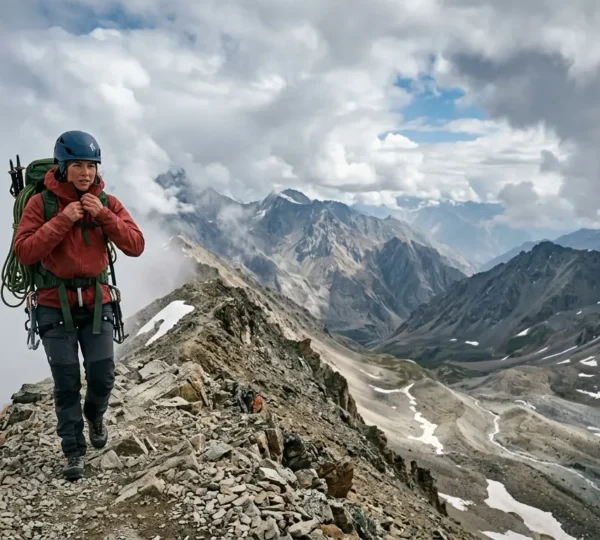
What Gear Layering System Works Best for Unpredictable Alpine Weather?
The most effective alpine layering system is not a set of clothes, but a dynamic safety protocol integrated into every decision you make at altitude. Success depends on proactively managing your “thermal regulation engine” by anticipating terrain and weather, not…
Read more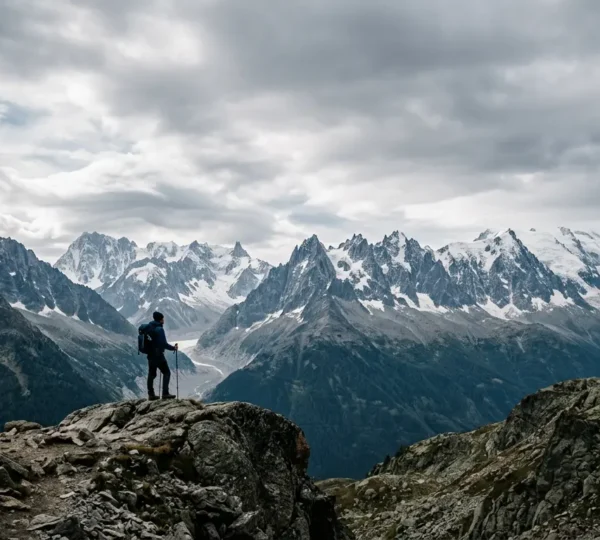
How to Prepare Mentally for a Multi-Day Expedition in Remote Terrain?
Success on a remote expedition isn’t built on a positive mindset, but on a robust system for handling failure. Training for discomfort—physical, mental, and environmental—is more valuable than simply training for fitness. Your biggest liability is your own ego; transparent…
Read more