Successfully shipping wine from an overseas vineyard is less about packaging and more about a strategic chain of custody that begins with the bottle’s selection.
- The intrinsic value of a wine is born from its terroir, so selecting bottles from superior soil compositions is the first step in acquiring a shippable asset.
- Protecting wine during transit is a cold-chain logistics challenge; exposure to temperatures above 25°C (77°F) can irreparably damage its structure.
- For collectors, meticulous provenance documentation—from photos at the estate to recording lot numbers—is non-negotiable for insurance and future valuation.
Recommendation: Treat every bottle as a valuable, living asset requiring meticulous documentation and professional handling, not as a simple souvenir.
The experience is iconic: standing in a sun-drenched vineyard, tasting a wine so profound it feels inextricably linked to its place of origin. The desire to capture that moment in a bottle is powerful. For a wine enthusiast building a collection, bringing these treasures home is not just a wish but a necessity. However, the common advice often veers towards the simplistic or dangerously naive, like wrapping a bottle in a sweater and hoping for the best in checked luggage. This approach ignores the legal complexities of customs and, more critically, the physical vulnerabilities of wine as a complex, living product.
The reality is that navigating international wine shipping requires a level of sophistication that mirrors the act of collecting itself. It’s a process governed by legal frameworks, oenological science, and logistical precision. The key to success isn’t found in a post office but in a strategic mindset that treats each bottle as a valuable asset. The journey from the winery to your cellar is a critical part of the wine’s story and a major factor in its long-term potential.
This guide reframes the challenge. Instead of focusing merely on the final shipping act, we will explore the entire chain of custody. This starts with understanding why certain wines are worth the effort, how to select bottles that can withstand the journey, and the crucial steps for protecting them from physical damage and legal hurdles. We’ll move from the soil to the cellar, providing the expertise needed to ensure your vinous discoveries arrive safely and in perfect condition.
This article provides a comprehensive framework for the discerning collector. Follow along as we detail the critical decisions at every stage, from the vineyard to your front door, transforming a logistical headache into a seamless part of your collecting strategy.
Summary: A Collector’s Guide to Shipping Wine From Abroad
- Why The Same Grape Tastes Different Depending on Soil Composition?
- How to Spit Wine Like a Pro During a Full Day Tour?
- Big Brand Houses vs Family Estates: Which Offers Better Value?
- The Trunk Mistake: How to Transport Wine in a Hot Car?
- Problem & Solution: Buying Wines That Will Age Well for 10 Years
- Problem & Solution: Pairing Regional Foods With Wines From the Same Area
- Why Coastal Cuisine Differs Drastically From Inland Dishes in the Same Region?
- How to Read the Batch Code to Trace a Product Back to the Farm?
Why The Same Grape Tastes Different Depending on Soil Composition?
Before considering shipping, a collector must first select a wine worth the effort. The foundation of any great, age-worthy wine is its terroir—the unique combination of soil, climate, and topography that shapes its character. Soil composition is arguably the most critical and least understood element of this equation. It’s not just dirt; it is the chemical and physical matrix that dictates how a vine accesses water and nutrients, which in turn defines a wine’s structure, aroma, and aging potential.
For example, vines grown in well-draining, low-fertility soils like the gravel of Bordeaux’s Médoc or the slate of Germany’s Mosel Valley must struggle to survive. This stress forces them to produce smaller, more concentrated grapes with higher levels of polyphenols, tannins, and acidity—the very components that allow a wine to evolve and improve over decades. In contrast, vines in fertile, water-retentive clay soils may produce lush, fruity wines that are delicious young but lack the structural backbone for long-term cellaring.
The impact of soil on quality is not theoretical. A review of terroir science confirms that a limited water supply is critical for producing high-quality red wines, directly affecting the synthesis of aroma and flavor compounds. This is why a Cabernet Sauvignon from the gravelly soils of Pauillac tastes vastly different from one grown on rich loam elsewhere. The soil imparts a signature of minerality and structure that cannot be replicated.
Case Study: The Bordeaux Soil Quality Index
To quantify soil’s impact, researchers developed a Quality Potential Index by analyzing which soil types in prestigious Bordeaux estates most frequently contributed to the top-tier “grand vin.” The results were conclusive: specific soils, like the deep gravels in the Médoc and the clay-limestone plateau in Saint-Émilion, consistently produced the wines selected for the highest-quality blends. According to the comprehensive terroir review published in OENO One, this demonstrates a direct, provable link between soil type and a wine’s ultimate quality and collector value.
Therefore, when selecting a wine for your collection abroad, inquire about the soil. A wine born from challenging terroir is not only more distinctive but is inherently a better candidate for the rigors of shipping and the reward of long-term aging.
How to Spit Wine Like a Pro During a Full Day Tour?
A full day of winery visits presents a significant professional challenge: palate fatigue. For a collector making purchasing decisions, maintaining sensory acuity is paramount. Consuming alcohol, even in small amounts, dulls the senses, impairs judgment, and makes it increasingly difficult to accurately assess a wine’s structure—its acidity, tannins, and balance. Spitting is not a matter of etiquette or pretension; it is a technical skill essential for making sound investment choices throughout the day.
To spit like a professional, the process should be discreet and efficient. First, take a moderately sized sip, enough to coat your entire mouth but not so much that it’s unwieldy. Swirl the wine thoroughly across your tongue and gums for 5-10 seconds. This step is crucial for engaging all your taste receptors to perceive the full spectrum of flavors and, most importantly, the wine’s structural components. Pay close attention to the feel of tannins on your gums and the sensation of acidity on the sides of your tongue.
Next, slightly pucker your lips and, with controlled pressure from your cheeks and tongue, expel the wine into the provided spittoon or bucket. The goal is a clean, direct stream, not a spray. Aim for the inside wall of the spittoon to minimize splashing. A common mistake for beginners is not committing to the action, which can be messy. It is better to be decisive. After spitting, take a moment to assess the finish of the wine—the lingering flavors and sensations. This is often where a wine’s quality and complexity truly reveal themselves, and you can only perceive it clearly with an unclouded palate.
By consistently spitting, especially with high-tannin reds and high-alcohol wines, you preserve your ability to distinguish a good wine from a truly great one, ensuring the bottles you choose to ship home are the result of clear-headed analysis, not midday enthusiasm.
Big Brand Houses vs Family Estates: Which Offers Better Value?
When sourcing wines abroad, the collector is often faced with a choice between globally recognized brand houses and small, family-run estates. While big brands offer consistency and familiarity, the true value for a discerning collector—in terms of uniqueness, aging potential, and connection to terroir—often lies with family estates. These smaller producers are typically the stewards of unique, ancestral parcels of land, offering a direct expression of a specific place that larger, blended wines cannot replicate.
Large houses prioritize a consistent “house style” year after year, which often involves sourcing grapes from a wide variety of vineyards and blending them to achieve a uniform product. This is a valid and successful business model, but it can dilute the unique character of a specific site. A family estate, by contrast, typically works with fruit grown entirely on their own property (domaine-bottled). The winemaker is often the vineyard manager and the owner, possessing an intimate, multi-generational understanding of their land. This hands-on approach results in wines that are an authentic reflection of a single vintage and a specific terroir.
Furthermore, the connection you build at a family estate is part of the wine’s provenance. Speaking directly with the person who tended the vines and made the wine provides invaluable context for your collection. This personal relationship often translates into better access to limited-production cuvées, older vintages, and more favorable terms. For a collector, the story and the human element are intertwined with the wine’s value. A bottle from a small estate is not just a beverage; it is an artifact of a specific place, a specific year, and a specific family’s labor.
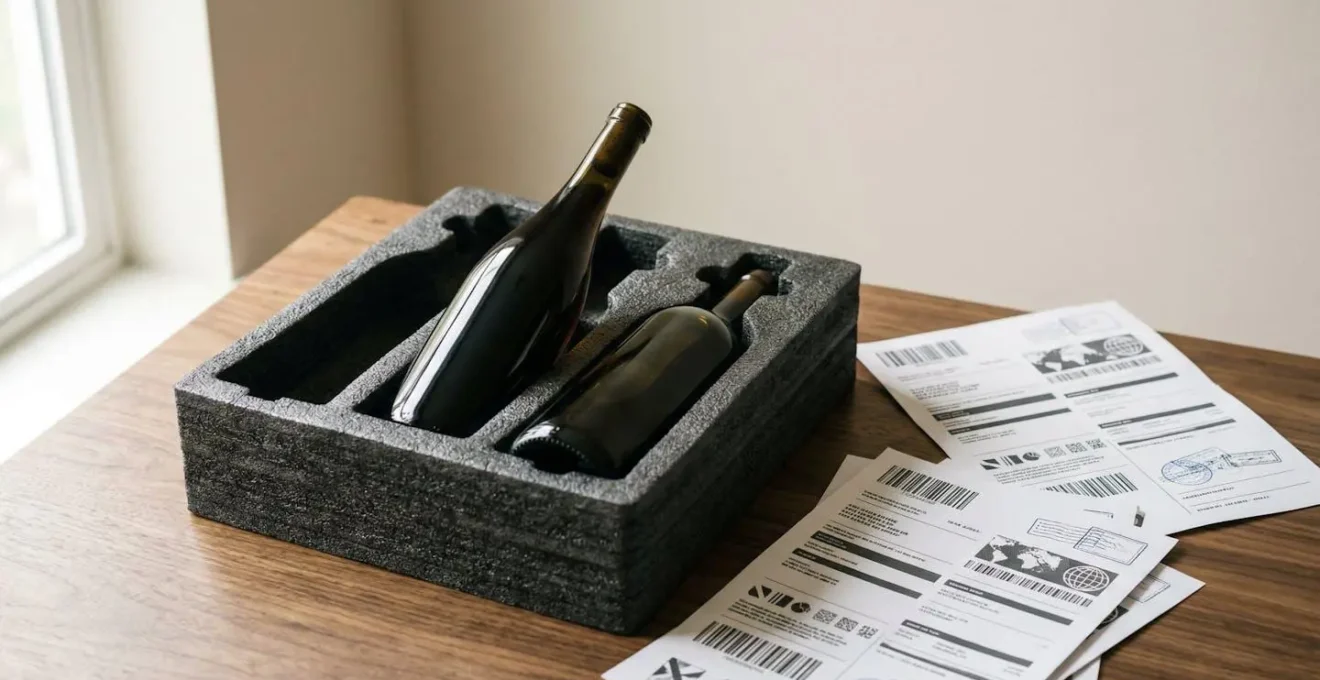
As this image suggests, the shipping process at a family estate is often a personal affair. The same hands that pruned the vines may be the ones carefully packing your bottles, creating an unbroken chain of custody from vineyard to shipper. This level of care and direct oversight is a form of risk management, providing greater assurance that the wine begins its journey in optimal condition.
While a big brand may offer a safer bet, the family estate offers a higher potential reward: a unique, terroir-driven wine with a compelling story and a documented provenance—the very hallmarks of a collectible bottle.
The Trunk Mistake: How to Transport Wine in a Hot Car?
One of the most common and damaging errors a wine collector can make is what is known as the “trunk mistake.” After purchasing wine at a vineyard, the instinct is to place the bottles in the car’s trunk for safekeeping. However, on a warm day, a car’s interior and especially its trunk can quickly reach temperatures that are catastrophic for wine. Heat is the enemy of wine’s delicate chemical structure, causing it to age prematurely and develop undesirable “cooked” flavors of stewed fruit and roasted nuts.
The science is unforgiving. Wine is ideally stored at a constant temperature of around 13°C (55°F). Damage begins to occur much sooner than most people realize. According to industry research on temperature-controlled shipping, prolonged exposure above 25°C (77°F) or even brief exposure near 40°C (104°F) can negatively impact wine in a matter of hours or days, not months. The heat can cause the liquid to expand, pushing the cork out and breaking the seal, which leads to oxidation and spoilage. Even if the cork remains in place, the wine’s complex aromatic compounds are irreversibly damaged.
Protecting your investment between the winery and your hotel or shipper requires a cold-chain mentality. The best practice is to transport the wine inside the climate-controlled cabin of the car, not the trunk. For maximum protection, use an insulated wine carrier or a quality travel cooler. Before you even leave the winery, inspect the bottles for any signs of prior heat damage, such as a sticky residue around the capsule or a slightly pushed-out cork. Plan your winery visits for the morning hours and make returning your wine to a cool hotel room your priority by midday, never leaving it in a parked car during the peak heat of the afternoon.
Treating your wine with the same care you would perishable groceries is not an overreaction; it is a fundamental principle of asset protection. The trunk is for luggage, not for fine wine.
Problem & Solution: Buying Wines That Will Age Well for 10 Years
The problem for any collector shipping wine from abroad is twofold: the wine must not only survive the journey but also possess the intrinsic qualities to age gracefully for a decade or more upon arrival. Not all wines are created equal in this regard. The rigors of transport—vibration, temperature fluctuations, and pressure changes—can be particularly harsh on delicate, early-drinking wines. The solution lies in selecting bottles with the right structural components to withstand these stresses and evolve positively in the cellar.
Wine trade professionals widely agree that wines with the structure for aging are the best candidates to withstand the rigors of shipping. Look for wines with high acidity and strong tannins. Acidity acts as a natural preservative, providing freshness and a backbone that helps the wine endure. Tannins, the phenolic compounds from grape skins, seeds, and stems, create the wine’s structure and texture. While they can make a young wine feel astringent, they slowly polymerize over time, contributing to a smoother mouthfeel and complex tertiary aromas of leather, tobacco, and earth. Grapes like Nebbiolo, Cabernet Sauvignon, and Tannat are naturally high in these components, making them excellent candidates for shipping and cellaring.
Even a structurally sound wine can suffer from “bottle shock” or “travel shock” after a long journey. This temporary condition, caused by the vibrations of transport, can make a wine seem muted, disjointed, or aromatically dull. The wine’s chemical components are essentially “shaken up” and need time to reintegrate. Rushing to open a bottle immediately after it arrives is a common mistake that leads to a disappointing experience. The wine has not been ruined, but it is not showing its true potential.
The solution is patience. As a rule, any wine that has traveled a significant distance needs a mandatory rest period. According to Wine Enthusiast’s bottle shock analysis, wines shipped overseas should rest at least one week before opening, with more complex, age-worthy wines often requiring several weeks or even months to fully recover and settle into their new environment. Store them in a proper cellar environment—cool, dark, and stable—and let them recuperate.
By choosing wines with the right chemical makeup and respecting their need for rest post-shipment, you ensure that your investment not only arrives safely but also fulfills its promise of developing into a magnificent mature wine.
Problem & Solution: Pairing Regional Foods With Wines From the Same Area
A core tenet of wine and food culture is the old-world wisdom: “what grows together, goes together.” The problem for many travelers is that they experience a region’s wine in isolation from its cuisine, or vice versa. The solution to unlocking a deeper understanding of any wine region is to actively experience its wines and foods in tandem. This is not merely a pleasant culinary exercise; it is a way to understand the very soul of the terroir, as the same climate, soil, and agricultural traditions that shape the wine also shape the local produce, livestock, and recipes.
The synergy between regional food and wine is born from centuries of co-evolution. A classic example is the Loire Valley, where the high-acidity Sauvignon Blanc from Sancerre is the perfect match for the tangy, locally produced goat cheese (Crottin de Chavignol). The wine’s crisp acidity cuts through the richness of the cheese, cleansing the palate and creating a harmonious balance. This pairing is not a coincidence; the goats graze on vegetation influenced by the same limestone-rich Kimmeridgian soils that give Sancerre its characteristic minerality.
Similarly, the robust, tannic Sangiovese of Tuscany, the grape of Chianti Classico, evolved alongside a cuisine rich in olive oil, tomatoes, and grilled meats like Bistecca alla Fiorentina. The wine’s firm tannins and bright acidity are perfectly suited to cut through the fat of the steak and stand up to the acidity of tomato-based sauces. Experiencing this pairing in its native environment reveals the wine’s true purpose and character in a way that tasting it in a sterile room cannot.
When visiting a wine region, make it a point to dine at restaurants that specialize in traditional local cuisine. Ask for pairing recommendations. This practice will not only enhance your trip but also provide a more profound context for the wines you choose to collect and ship home, enriching their story and your future enjoyment.
Why Coastal Cuisine Differs Drastically From Inland Dishes in the Same Region?
Within a single geographic region, the culinary traditions of the coast can seem a world apart from those found just a few dozen kilometers inland. This dramatic difference is driven by microclimate and a concept central to terroir: resource availability. The ingredients that are most abundant and fresh in a given location have always formed the foundation of its cuisine, and by extension, the style of its local wines.
Coastal areas are defined by the influence of the sea. The cuisine is dominated by fresh seafood—fish, shellfish, and crustaceans. The climate is typically more moderate, with smaller temperature fluctuations, and the air carries a saline quality. These conditions favor wines that are light-bodied, high in acidity, and often exhibit a saline or mineral-like finish. Think of Albariño from Spain’s Rías Baixas, Muscadet from the mouth of the Loire River, or Vermentino from coastal Tuscany. These wines evolved to be the perfect accompaniment to the local catch of the day; their crispness cleanses the palate and complements the delicate flavors of the sea without overpowering them.
Move inland, away from the moderating influence of the ocean, and the entire ecosystem changes. The climate often becomes more continental, with hotter summers and colder winters. The agriculture shifts from fishing to farming and ranching. The cuisine becomes heartier, based on grains, root vegetables, preserved meats, and game. This environment favors more robust grape varieties that can withstand greater temperature swings. The resulting wines are typically fuller-bodied, with riper fruit profiles and more pronounced tannins—think of the powerful red wines of Spain’s Ribera del Duero versus the zesty whites of its Basque coast. These wines have the structure and intensity to stand up to rich stews, roasted meats, and aged cheeses that define the inland diet.
For a collector, recognizing these differences provides a more sophisticated framework for understanding a region’s wines. It allows you to appreciate not just what is in the bottle, but the entire cultural and agricultural ecosystem that produced it.
Key Takeaways
- The Collector’s Mindset: The first step in shipping wine is selecting a bottle whose terroir-driven structure and quality justify the logistical effort and risk.
- The Cold Chain is Non-Negotiable: Wine is a perishable asset. Protecting it from heat, from the winery to your cellar, is the single most important factor in preserving its value.
- Provenance is Paramount: For a collection, the wine’s story and documentation are as important as the liquid itself. A verifiable chain of custody is essential for insurance, authentication, and future valuation.
How to Read the Batch Code to Trace a Product Back to the Farm?
For a casual wine drinker, the numbers on a bottle are insignificant. For a collector, they are a critical part of the wine’s identity. While a standard “batch code” in the industrial sense may not always exist for fine wine, a wealth of information is available that serves the same purpose: tracing the product back to its origin. This “reading” of the bottle is the final and most crucial step in securing your asset’s provenance before it is handed over to a shipper. This documentation is your proof of authenticity and your primary evidence in the event of a shipping disaster requiring an insurance claim.
The most important information is often hidden in plain sight. Look for specific lot numbers printed on the label or capsule (e.g., L08-22). Note the exact bottling date, which you may need to ask the winemaker for directly. For high-end, single-vineyard wines, the label should specify the parcel or vineyard block designation (e.g., “Les Amoureuses” in Burgundy). This level of detail is invaluable, as it pinpoints the wine’s origin to a specific plot of land, significantly increasing its value and traceability. This information forms the core of your “chain of custody” documentation.
However, documenting provenance goes beyond just transcribing numbers. It’s about creating a comprehensive, multi-faceted record of the acquisition. Your mission is to build an evidentiary file for each valuable bottle. This record serves as your ultimate protection, connecting the physical object in your hand back to its creation at the estate. It’s the final act of a diligent collector before entrusting the asset to a third party for transport.
Actionable Checklist: Establishing Wine Provenance for Shipping
- Create a human “batch code”: Photograph yourself with the winemaker during the purchase to establish a personal, time-stamped connection to the acquisition.
- Document the bottle’s identity: Photograph or write down the specific lot number, bottle number (if applicable), and any other identifying marks on the label, cork, or capsule before shipping.
- Capture the hand-off: Take images of the shipping box being prepared and sealed at the estate or by the professional shipper, creating a visual record of the wine’s condition at the start of its journey.
- Record the viticultural timeline: Ask the winemaker for the exact bottling date and, if possible, the harvest date. This is critical for cellar management and understanding the wine’s life cycle.
- Note the precise origin: For single-vineyard wines, document the specific parcel designation. This information is invaluable for insurance claims and verifying authenticity, as it is a key component of the wine’s value.
Therefore, the next time you stand in a vineyard, consider the journey ahead. Begin documenting your acquisition not as a tourist, but as a curator, ensuring the story and value of that bottle are protected long after the last drop is poured.