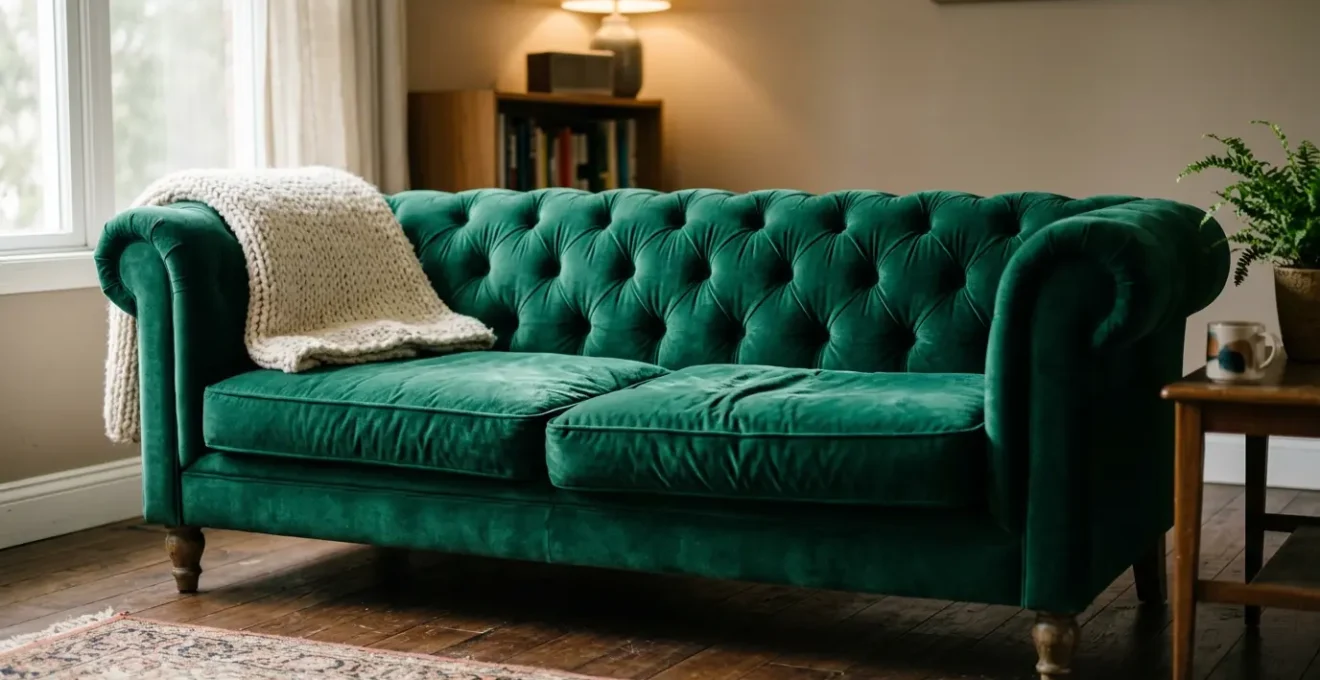
Contrary to popular belief, velvet can be one of the most practical fabrics for a family home, but only if you understand the science behind the material.
- The durability of velvet is not about the fabric itself, but its composition; synthetic velvets (polyester, polypropylene) vastly outperform natural cottons.
- Maintenance is less about constant cleaning and more about preventative care, like strategic placement away from UV light and periodic steaming to revive the pile.
Recommendation: Instead of asking *if* velvet is practical, ask *which* velvet is practical. Focus on performance synthetics or high-investment mohair for heavy-use furniture.
The image of a plush velvet sofa often evokes a sense of luxurious, adult-only sophistication—a beautiful but fragile piece destined to be ruined by the realities of family life. For any parent or pet owner, the dilemma is real: can you integrate this tactile elegance into a home filled with sticky fingers, shedding fur, and the occasional spilled drink? Many design articles offer a simple “yes,” pointing to modern performance fabrics as a catch-all solution. They mention that pet hair sits on top and that it’s “easy to clean.”
But this advice often misses the crucial details. The practicality of velvet isn’t a simple yes or no question. It’s a science. The answer lies not just in choosing the right *type* of velvet, but in understanding its material properties, how it interacts with its environment, and even how its physical structure can affect household allergens. The key isn’t to treat velvet as a delicate flower, but to approach it as a technical material with specific strengths and weaknesses.
This guide moves beyond the surface-level advice. We will break down the material science behind different velvets, providing the knowledge you need to make an informed investment. We’ll explore why a synthetic option often triumphs in durability, how to properly maintain and revive the fabric’s signature pile, and the critical placement errors to avoid. Ultimately, you will learn to see velvet not as a risk, but as a strategic choice for adding lasting luxury to your everyday living space.
To help you navigate these choices, this article breaks down everything a fabric specialist wants you to know. Explore the topics below to find the specific answers you need.
Summary: A Fabric Specialist’s Guide to Practical Velvet Furniture
- Why Synthetic Velvet Often Outlasts Natural Cotton in Family Homes?
- How to Revive Crushed Velvet Pile Without Professional Equipment?
- Mohair vs Cotton Velvet: Which Justifies the Investment for Heavy Use?
- The Placement Error That Fades Your Velvet Armchair in 6 Months
- When to Steam vs Dry Clean: The Maintenance Schedule for Velvet Drapes
- Warm Greige or Cool Taupe: Which Neutral Suits Dark Wood Floors?
- Mass-Produced Fillers vs One Statement Piece: Which Elevates a Room?
- Why Do Dermatologists Recommend Silk or Cotton for Eczema Prone Skin?
Why Synthetic Velvet Often Outlasts Natural Cotton in Family Homes?
When you’re evaluating velvet for a high-traffic family room, the single most important factor is its composition. While natural cotton velvet has a beautifully soft, matte finish, it simply can’t compete with its synthetic counterparts on a technical level. The durability of upholstery is measured by a standardized abrasion test, and the results are telling. Performance polyester velvets can withstand over 100,000 double rubs in the Martindale test, classifying them for heavy-duty commercial use. Cotton velvet, by contrast, typically rates between 25,000 to 40,000 rubs, suitable only for moderate residential use.
This difference is rooted in the fibers themselves. Polyester and polypropylene are non-absorbent plastics, meaning spills tend to bead up on the surface rather than soaking in immediately. This gives you a critical window to blot away liquids before they become deep-set stains. Natural fibers like cotton are far more porous and will absorb moisture quickly, leading to watermarks and difficult-to-remove stains. Furthermore, synthetic fibers are solution-dyed, meaning the color is part of the fiber itself, making them significantly more resistant to fading from sunlight and cleaning agents.
As the Emily Henderson Design Team notes, this real-world performance is why specialists consistently recommend synthetics for families:
While both are equally beautiful, we tend to recommend synthetic velvet for customers with kids or pets since it’s much easier to care for. We’ve found that stains don’t soak in as deep and the color doesn’t fade as much in direct sunlight, compared to cotton velvet.
– Emily Henderson Design Team, Emily Henderson – Velvet Is a Family & Pet Friendly Design Secret Weapon
This inherent resilience means a synthetic velvet sofa won’t just look good on day one; it will better withstand the daily assaults of family life, from spilled juice to muddy paws, making it the more cost-effective and practical choice in the long run.
How to Revive Crushed Velvet Pile Without Professional Equipment?
One of the biggest fears with velvet is that its lush pile will become crushed, matted, or marked, leaving unsightly pressure spots. The “pile” refers to the upright fibers that give velvet its signature softness and depth, while the “nap” is the direction in which those fibers naturally lie. Crushing happens when these fibers are bent or flattened. Fortunately, reviving them is often a simple task that requires steam and a gentle touch, not a professional cleaning service.
The key is to use indirect steam to relax the fibers. Direct contact with an iron or a high-powered steamer can damage the fabric. Instead, a handheld garment steamer held several inches away or even the ambient steam from a hot shower can work wonders. The moisture and gentle heat allow the compressed fibers to swell and spring back to their upright position. Once steamed, a specialized velvet brush or even a very soft-bristled clothes brush can be used to gently fluff the pile, always brushing in the direction of the nap to restore its uniform appearance.
As you can see in the detailed texture above, the pile is a dense forest of individual fibers. Regular, gentle maintenance is the best defense against permanent crushing. Here are the key steps for at-home revival and care:
- Steam Method: For removable covers, hang them in the bathroom during a hot shower. The ambient steam will relax the fibers without direct, harsh contact. For fixed upholstery, use a handheld steamer held at least six inches from the surface.
- Brushing Technique: Immediately after steaming, use a soft velvet brush to gently groom the pile. Always brush in the direction of the nap to restore a smooth, consistent finish.
- Preventative Vacuuming: Use a vacuum with a soft upholstery attachment weekly. Move in the direction of the nap to lift dust and prevent dirt from becoming embedded and compressing the pile.
- Post-Cleaning Revival: After spot-cleaning a spill and letting the area dry completely, the pile may feel stiff. A light brushing is all that’s needed to soften it and blend the texture with the surrounding area.
Mohair vs Cotton Velvet: Which Justifies the Investment for Heavy Use?
While synthetic velvet is the go-to for affordable durability, for those seeking a natural fiber that can withstand the rigors of family life, mohair velvet is the undisputed champion. Derived from the hair of the Angora goat, mohair is one of the most resilient natural textiles available. It carries a premium price tag, but its performance characteristics often justify the investment, especially when compared to the more common cotton velvet.
The primary advantage of mohair lies in its exceptional durability and unique aging process. It boasts a Martindale rating that often exceeds 80,000 rubs, placing it on par with high-performance synthetics. Unlike cotton, which can matt and show wear patterns over time, mohair develops a beautiful patina, with its natural luster becoming richer with age. Furthermore, its safety profile is superior; mohair is inherently flame resistant, a critical safety benefit that cotton can only achieve through chemical treatments. This makes it an ideal choice for homes where safety and longevity are top priorities.
The following table, based on data from comprehensive fabric testing guides, breaks down the key differences for a high-traffic environment:
| Property | Mohair Velvet | Cotton Velvet |
|---|---|---|
| Martindale Rub Count | 80,000 to 100,000+ | 25,000 to 40,000 |
| Fire Resistance | Inherently flame-resistant (BS 5852 Crib 5 without treatment) | Requires chemical treatment for fire resistance |
| Aging Characteristics | Develops patina and luster with age; wear adds character | Shows matting and visible wear over time |
| Cleaning Code | S (solvent only) | S (solvent only) or W (water-based) |
| Initial Cost | Premium pricing | Mid-range pricing |
| Suitable Applications | Heavy contract use, family homes with children | Moderate residential use |
For a “forever” piece of furniture that will be heavily used, the upfront cost of mohair velvet translates into long-term value. Its ability to resist wear, repel dirt, and age gracefully makes it a sound investment that pays dividends in both aesthetics and peace of mind.
The Placement Error That Fades Your Velvet Armchair in 6 Months
You’ve chosen the perfect, durable velvet for your home. But the biggest threat to its rich color may not be a stain, but the sun itself. The most common and heartbreaking mistake is placing velvet furniture in a spot that receives direct, daily sunlight. Over time, this exposure leads to irreversible color fading, and it can happen faster than you think. The culprit is the invisible force of ultraviolet (UV) radiation.
Fabric fading is a chemical process. The dyes used in textiles are broken down by light and heat. According to research on the causes of fabric deterioration, ultraviolet light is the primary factor, accounting for roughly 40% of all fading. Visible light and solar heat each contribute another 25%. This means that even on a cloudy day, the damaging UV rays are still at work. Velvet’s dense pile acts like a sponge for this light, and certain colors—especially vibrant reds, blues, and blacks—are more susceptible to fading than muted, earthy tones.
Protecting your investment is about being strategic with placement and preventative measures. Think of your velvet armchair or sofa as a fine piece of art that needs to be shielded from the elements. Here are several effective strategies to prevent UV degradation:
- Install UV-Blocking Window Film: Modern window films can block up to 99% of harmful UV rays without significantly reducing natural light. This is the single most effective long-term solution.
- Avoid Direct Vent Placement: The constant flow of dry, hot air from heating vents can make fibers brittle and accelerate dye degradation. Keep furniture several feet away from air returns and radiators.
- Be Mindful of Reflective Surfaces: A piece of furniture placed opposite a large mirror, a high-gloss floor, or even a swimming pool can receive a double dose of UV exposure from reflected light.
- Rotate Cushions Regularly: If some sun exposure is unavoidable, make it a habit to flip and rotate your cushions every few months to ensure any potential fading is distributed evenly and remains less noticeable.
- Use Protective Throws: During peak daylight hours when a room is not in use, simply draping a lightweight throw blanket over the most exposed areas can provide an effective and stylish shield.
When to Steam vs Dry Clean: The Maintenance Schedule for Velvet Drapes
While sofas and chairs bear the brunt of physical wear, velvet drapes face a different set of challenges: dust, odors, and the risk of creasing. Their care requires a different approach, balancing regular, gentle maintenance with occasional deep cleaning. Over-cleaning is just as damaging as neglect, as harsh solvents can strip natural fibers of their essential oils and luster. The key is a consistent schedule that relies primarily on vacuuming and light steaming, reserving dry cleaning only for emergencies.
For routine care, a monthly vacuuming with a soft upholstery brush attachment is your best tool. This removes the surface dust and allergens that can dull the fabric’s appearance and weigh down the pile. Seasonally, or whenever the drapes look a little tired, light steaming can work wonders. This process rehydrates the fibers, helps release any trapped odors, and smooths out minor wrinkles from humidity changes. It’s a refresh, not a deep clean.
Dry cleaning should be considered a last resort, undertaken only every 3 to 5 years or to tackle a significant, set-in stain. The ‘S’ on a cleaning code tag stands for “solvent only,” and attempting to clean such fabrics with water-based solutions is a recipe for disaster, often resulting in permanent water rings, shrinkage, or color bleeding. A professional cleaner who specializes in drapery will know how to handle the material correctly. The following table, with information sourced from upholstery care guides, outlines a sensible maintenance plan.
| Method | Frequency | Purpose | Best For | Risks |
|---|---|---|---|---|
| Light Steaming | Seasonal (Spring & Fall) | Rehydrates fibers, releases dust and light odors | Regular maintenance, refreshing appearance | Low risk if indirect steam used |
| Vacuuming | Monthly | Remove dust and allergens | Preventative care | None (use soft upholstery attachment) |
| Dry Cleaning | Every 3-5 years or for heavy stains | Solvent-based deep cleaning for oil-based stains | Set-in stains, deep cleaning | Over-use strips natural oils from silk/mohair fibers |
| DIY Water-Based Cleaning | AVOID for ‘Dry Clean Only’ velvet | N/A | Never recommended | Permanent water rings, shrinkage, irreversible damage |
Warm Greige or Cool Taupe: Which Neutral Suits Dark Wood Floors?
Once you’ve settled on the practical aspects of your velvet, the fun begins: choosing a color. When pairing velvet with dark wood floors—like espresso, walnut, or ebony—the choice of a neutral tone is critical. The goal is to create harmony, not a jarring contrast or a flat, uninspired space. The decision between a warm neutral like greige and a cool neutral like taupe depends entirely on the undertones of your wood and the atmosphere you wish to create.
Dark wood floors often have their own distinct undertones. Walnut and cherry woods have warm, red undertones, while ebony or jacobean stains can have cooler, almost black or blue bases. The first rule is to identify this underlying color. A warm greige velvet, which is a blend of grey and beige, has soft, yellowish or reddish undertones that will beautifully complement warm-toned woods. It creates a cohesive, inviting, and luminous feel, as the velvet’s pile catches the light and reflects a gentle warmth.
Conversely, a cool taupe velvet, which has grey with pink or violet undertones, provides a sophisticated and modern contrast against dark floors, especially those with neutral or cool bases. This pairing creates a more formal, serene, and contemporary aesthetic. The cool tone of the velvet will stand out distinctly from the richness of the wood, creating a deliberate and chic separation. Consider the lighting in your room as well; warm, south-facing light will enhance the glow of greige, while cooler, north-facing light will amplify the crispness of taupe. Ultimately, warm greige fosters a cozy and unified look, while cool taupe delivers elegant, modern contrast.
Mass-Produced Fillers vs One Statement Piece: Which Elevates a Room?
In interior design, there’s often a temptation to fill a space with multiple, less expensive items rather than investing in a single, high-quality piece. When it comes to velvet, this approach is a false economy. A single, beautifully constructed velvet statement piece—be it a sofa, a headboard, or a pair of armchairs—has the power to elevate an entire room in a way that a collection of mediocre “filler” furniture never can. The real-world test of a family home quickly reveals the wisdom of this investment.
A quality statement piece is defined by more than its looks; it’s about the construction, the frame, and, most importantly, the fabric. Opting for a high-grade performance velvet or a premium natural fiber like mohair means you are buying longevity. These fabrics are engineered to withstand wear, resist stains, and age gracefully. Cheaper velvets, often found on mass-produced furniture, may look similar initially but will quickly show signs of crushing, fading, and wear, ultimately requiring replacement sooner. As one designer’s experience demonstrates, a quality piece often proves more resilient and even less attractive to pets:
I have both cats and kids (both boys!) and velvet has been super durable and not attractive to the cats, unlike another non-velvet sofa I own that has become a very expensive scratching post.
– Janery
This testimonial illustrates a key point: investing in one piece of high-quality velvet furniture is not an extravagance; it’s a practical strategy. It provides a focal point of enduring luxury and proves more durable against the very challenges—pets and kids—that make people hesitant in the first place. It is better to have one exceptional sofa that lasts a decade than three cheap ones that last two years each.
Key Takeaways
- Material is everything: Performance synthetic velvets (polyester) are scientifically more durable and stain-resistant than natural cotton for family use.
- Maintenance is preventative: Protecting velvet from UV light and performing regular, gentle cleaning is more effective than aggressive, infrequent deep cleans.
- Velvet traps allergens: The dense pile that makes velvet luxurious also makes it a magnet for dust and dander, requiring a strategic approach for sensitive households.
Why Do Dermatologists Recommend Silk or Cotton for Eczema Prone Skin?
While we’ve focused on velvet’s durability and aesthetics, a crucial aspect of practicality in a family home is health and comfort, especially for children with sensitive skin or conditions like eczema. Dermatologists typically recommend smooth, breathable, natural fabrics like silk or cotton because they are less likely to irritate the skin or trap allergens. This presents a conflict for velvet lovers, as velvet’s very structure—its dense, upright pile—makes it an effective trap for common eczema triggers.
The issue is twofold. First, the texture of some lower-quality or synthetic velvets can be abrasive to hypersensitive skin. Second, and more importantly, the fabric’s dense pile is a perfect environment for dust mites, pet dander, and pollen to accumulate. These allergens are leading irritants for those with atopic dermatitis or asthma. While pet hair might sit on the surface for easy removal, microscopic dander and dust mites become embedded deep within the fibers, making them difficult to eliminate completely.
Case Study: Velvet as a Dust Mite and Allergen Magnet
Velvet’s dense pile construction, while aesthetically appealing, creates a texture that attracts and traps pet hair, dust, and allergens more readily than smooth fabrics. For families with eczema-prone children, this poses a challenge as dust mites and pet dander are common eczema triggers. The solution isn’t to banish velvet entirely, but to use it strategically. Designate velvet for statement pieces with less direct, prolonged skin contact (such as formal chairs, ottomans, or headboards) while using washable, breathable cotton or silk throws on the main family sofa where children with sensitive skin will be lounging.
This doesn’t mean you must give up on velvet. It means adopting a hybrid approach that balances luxury with health. By being strategic about where and how you use velvet, you can enjoy its beauty without compromising the comfort of family members with sensitive skin. The following checklist provides a clear action plan.
Action Plan: A Hybrid Velvet Strategy for Sensitive Skin
- Strategic Placement: Reserve velvet for lower-contact statement pieces like accent chairs, ottomans, or headboards, rather than the primary family sofa.
- Breathable Layers: Cover high-contact velvet surfaces (sofa arms, seat cushions) with large, easily washable 100% cotton or silk throws that can be laundered weekly in hot water.
- Synthetic Selection: If choosing velvet for main seating, opt for a high-quality, short-pile performance synthetic, as they are less hospitable to moisture and allergens than deep-pile natural fibers.
- Vigilant Vacuuming: Use a vacuum with a HEPA filter and a high-powered upholstery attachment at least weekly to actively remove dust mites and dander from the velvet’s pile.
- Minimize Direct Contact: Encourage children with active eczema to wear soft, long-sleeved cotton clothing when sitting on velvet surfaces to create a protective barrier.
Now that you are equipped with this specialized knowledge, you can select, place, and maintain velvet furniture with the confidence that it will be a practical, beautiful, and lasting addition to your family’s home.