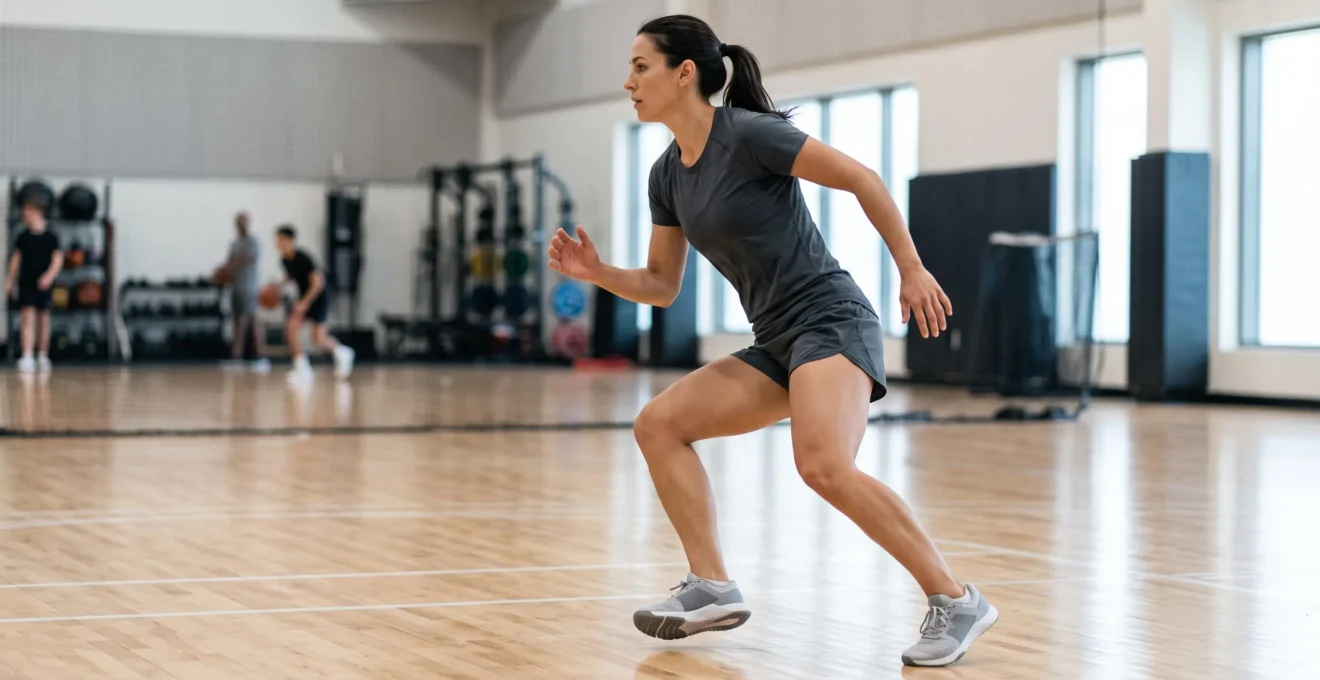
An anterior cruciate ligament (ACL) tear does not automatically mean surgery is necessary. The right approach depends on how stable your knee remains, whether other structures are injured and the activities you want to resume. For someone whose priorities are walking, cycling or controlled exercise, structured rehabilitation may be sufficient. For an athlete returning to football, basketball or another sport involving sudden changes of direction, reconstruction may become more relevant, particularly when instability persists.
The important distinction is not simply how active you are. It is whether your knee can safely meet the physical demands you expect to place on it.
What are the actual differences between ACL surgery and rehabilitation?
The ACL helps stabilise the knee, particularly during movements involving rotation, sudden stops and changes of direction. When it tears, the knee may become unstable, although the degree of functional difficulty varies between individuals.
There are three treatment pathways worth understanding: surgical reconstruction followed by rehabilitation, non-operative rehabilitation without immediate surgery, and an initial rehabilitation programme followed by reconstruction if instability or functional problems remain.
| Consideration | ACL reconstruction | Non-operative rehabilitation |
|---|---|---|
| Main purpose | Restore ligament stability using a tendon graft. | Improve strength, movement control and functional stability without immediate reconstruction. |
| Typical approach | Surgery followed by progressive physiotherapy. | Structured physiotherapy, strengthening and activity modification. |
| Potential advantage | Can address persistent instability when surgery is clinically indicated. | Avoids an immediate operation and allows functional recovery to be assessed. |
| Main limitation | Requires an operation and substantial postoperative rehabilitation. | May not provide sufficient stability for every patient or sporting activity. |
| Important consideration | Does not guarantee a return to previous sporting performance. | Persistent giving-way or associated injuries may change the treatment plan. |
During reconstruction, the damaged ligament is replaced with a graft, commonly taken from a tendon. The procedure aims to restore mechanical stability, but the new ligament does not immediately provide the strength and coordination needed for demanding activities.
Non-operative treatment is more than resting the knee. It involves a structured rehabilitation programme, usually including progressive strengthening, movement-control exercises and a gradual return to appropriate activities. The objective is to improve the knee’s functional capacity and determine whether it can meet the person’s needs without reconstruction.
There is also a third possibility: someone can begin with rehabilitation and later undergo surgery if recurrent instability or functional limitations make the initial approach insufficient. These pathways are therefore not always mutually exclusive.
The NHS ACL surgery guidance explains that not every ACL injury requires an operation. Physiotherapy and lifestyle adjustments may help selected patients, while persistent symptoms, demanding sporting activity and associated damage can make surgery more relevant. This UK guidance illustrates why treatment should reflect functional needs rather than the injury label alone.
How does your activity level influence the decision?
Your intended activities provide an important starting point for discussing treatment. However, the frequency and type of movement matter more than a general description such as active or inactive.
Everyday and low-impact activities. People whose priorities include walking, cycling, swimming or ordinary daily tasks may be candidates for initial rehabilitation if the knee remains functionally stable and there are no associated injuries requiring surgery. The practical question is whether the knee can support these movements without recurrent giving-way or unacceptable limitations.
Recreational exercise. Gym training, controlled strength exercises and some forms of recreational running place different demands on the knee. A rehabilitation-first approach may be reasonable for selected individuals, provided that functional progress is satisfactory and activities are adapted to clinical advice. Running should not be treated as automatically safe simply because walking has become comfortable.
High-demand pivoting sports. Football, basketball, rugby and similar sports involve rapid acceleration, sudden stopping, landing and directional changes. These movements place substantial demands on knee stability. Someone who experiences repeated giving-way while attempting to resume such activities has a stronger reason to discuss reconstruction with an orthopaedic specialist.
When deciding whether rehabilitation can support a return to your preferred activities, or whether persistent instability warrants a surgical assessment, the details of the injury and the movements you want to resume both matter. The practice of Pr. Etienne Cavaignac, an orthopaedic surgeon specialising in knee surgery and sports traumatology according to the practice website, provides a specialist resource covering ACL injuries, surgery and rehabilitation. This offers relevant background when preparing to discuss an individual treatment pathway.
Activity level is not the whole decision. Frequent pivoting, cutting, landing and sudden changes of direction deserve particular attention when discussing knee stability. A person’s actual movement requirements are more informative than an undifferentiated activity label.
When does knee instability or additional damage change the treatment plan?
An isolated ACL tear is not the same as an injury involving several structures in the knee. A meniscal tear, for example, calls for assessment of whether the damaged tissue can be preserved, while additional ligament injuries may affect stability without necessarily requiring surgery on every injured structure. Cartilage damage also needs to be assessed according to its type and extent. These findings can change treatment priorities, but their presence alone does not determine that reconstruction is necessary.
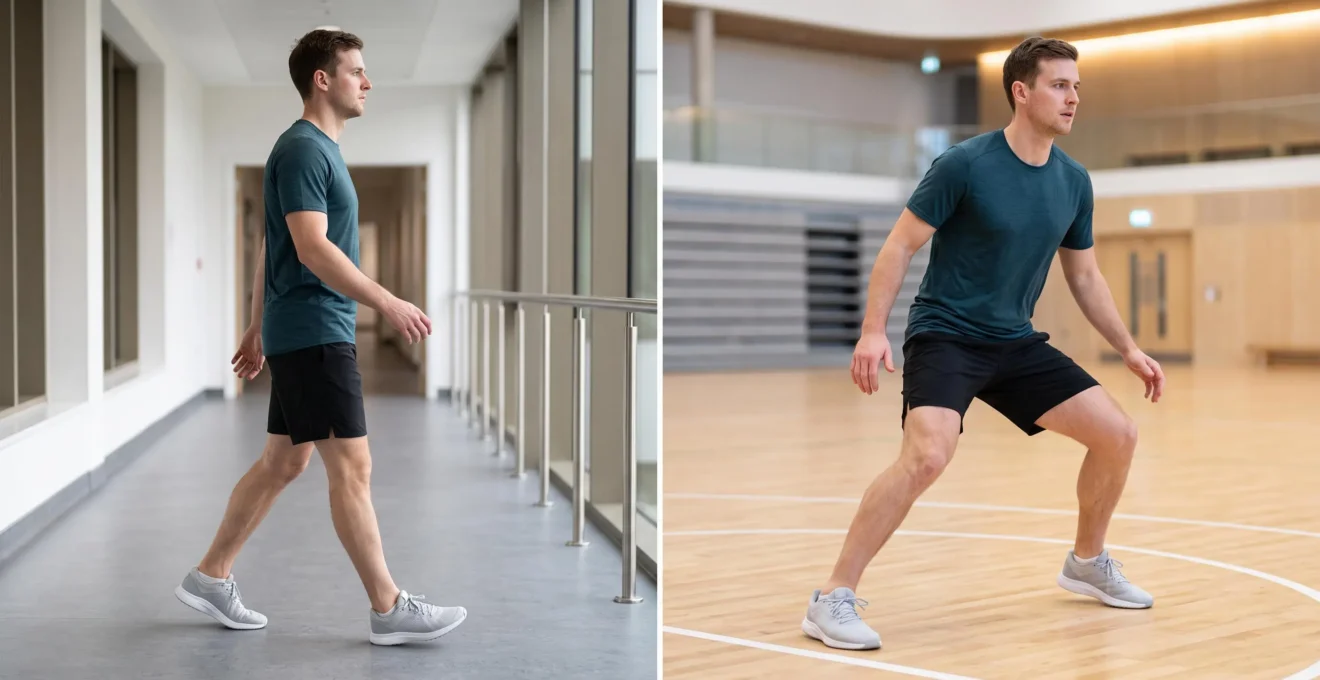
Another important distinction is whether the injury is recent or has become a persistent functional problem. A person with an acute ACL tear may initially be assessed for a rehabilitation-first strategy. Someone with an established injury who repeatedly experiences the knee giving way presents a different clinical situation.
This distinction is supported by the UK ACL SNNAP randomised trial, which examined 316 patients with non-acute ACL injuries and symptomatic instability. At 18 months, the adjusted KOOS4 score was 73.0 in the surgical-management group and 64.6 in the rehabilitation-management group. The adjusted difference was 7.9 points, with a 95% confidence interval of 2.5 to 13.2.
The findings favoured a surgical-management strategy in that particular population. They should not be interpreted as proof that everyone with a recent ACL tear needs immediate reconstruction. The trial specifically concerned non-acute injuries accompanied by persistent instability, so its results are most useful when considering people with similar clinical circumstances.
The treatment pathways could also change over time. In the trial’s rehabilitation-management group, 65 of 160 participants, approximately 41%, subsequently underwent reconstruction within 18 months. This figure describes the study population and its treatment strategy; it is not an estimate of the likelihood that every patient choosing physiotherapy will eventually need surgery.
Repeated giving-way is particularly important because it can interfere with desired activities and may expose an already injured knee to further episodes of instability. It should be discussed with a clinician rather than managed simply by avoiding every challenging movement indefinitely.
What should you assess before choosing a treatment?
Choosing an initial ACL treatment and deciding when to return to sport are two different decisions. The first considers the injury, functional stability, associated damage, intended activities and response to rehabilitation. Persistent giving-way or inadequate functional progress may warrant reassessment of the treatment strategy, without automatically meaning that surgery is necessary. The later return-to-sport decision requires evaluation of recovered function and the demands of the intended activity. These questions can help prepare a discussion with your clinician.
- When did the injury happen?
- Has the knee given way repeatedly?
- Are there associated meniscal, cartilage or ligament injuries?
- Which sports or physical activities do you want to resume?
- Do those activities involve pivoting, cutting or sudden direction changes?
- How has structured rehabilitation progressed?
- What functional limitations affect work and everyday life?
- What are your preferences and concerns about surgery and rehabilitation?
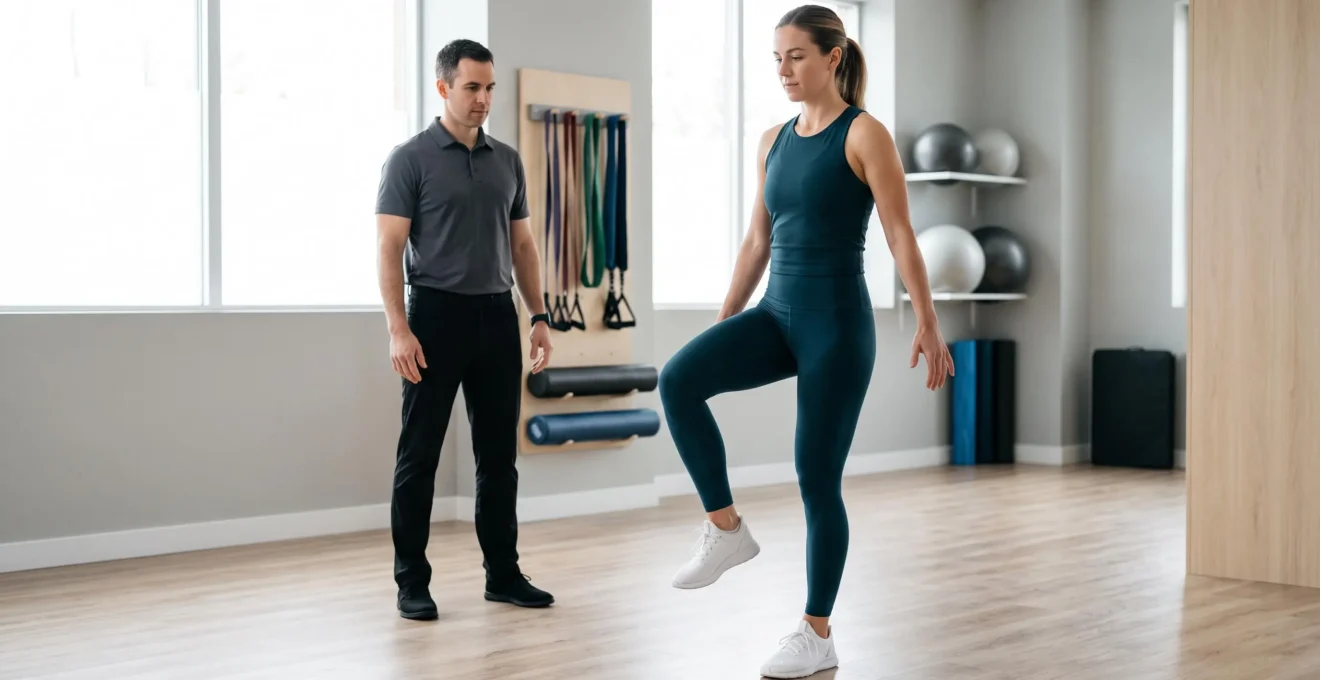
Functional assessment also matters. A clinician may consider knee stability, swelling, range of motion, muscle strength, movement control and the ability to perform activities relevant to the person’s goals. The US AAOS clinical guideline, approved in 2022 and summarised in a 2023 publication, identifies functional evaluation, including tests such as hop testing, as a possible component of return-to-sport decisions after reconstruction. This particular recommendation is based on limited evidence and does not establish a mandatory clearance protocol.
These tests should not be treated as isolated permission to resume sport. A successful movement on one occasion does not establish that the knee is ready for repeated high-intensity training or competition. Assessment needs to consider the wider recovery picture and the demands of the intended activity.
Recovery expectations also differ between everyday movement and competitive sport. Being comfortable walking or climbing stairs does not necessarily mean that the knee can tolerate rapid deceleration, jumping or unexpected changes of direction.
Rehabilitation remains essential after reconstruction. Progressive strengthening, movement control and functional training help rebuild capacity, while the treating team determines when the individual can safely progress to more demanding activities.
The right ACL treatment is the one that matches your functional goals
Choosing between ACL reconstruction and rehabilitation requires looking beyond the presence of a tear. For selected people with stable knees and lower-impact goals, structured rehabilitation may provide a reasonable initial pathway. Persistent instability, associated injuries and the intention to resume demanding pivoting sports make a specialist surgical assessment particularly important.
Neither treatment removes the need for a considered recovery plan. The most useful next step is to discuss your injury, episodes of instability and intended activities with an orthopaedic clinician, then evaluate progress against functional goals rather than relying on pain relief or a calendar alone.